
You've got the big idea, the passion, maybe even a prototype. Now you're wondering: “How do I get people to care?”
When it comes to crowdfunding, your biggest asset isn’t just your product — it’s the people backing it. This is something StartEngine knows well. With 1.8 million users, we connect companies with one of largest networks in the equity crowdfunding space.¹
We also practice what we preach. Cumulatively, we’ve raised $84 million from 50,000+ investors through our own equity fundraises. Better yet, they’re active elsewhere on our platform. On average, our shareholders make more investments (~7.2) than standard StartEngine users (~1.6), based on internal StartEngine data as of February 27, 2025.
Past results may not be indicative of future performance.
In this post, we share illustrative examples of how companies that have raised capital on StartEngine have approached community-building. These examples are for informational purposes only and are not investment recommendations.
Starting the Party
You’ve probably heard of Basecamp, the project management tool with over 15.9 million monthly users and $12.87 million in monthly recurring revenue.² But before that, the company’s founders built a community of 50,000 followers with “Signal vs. Noise,” a Medium blog covering design, business, and technology.³
Obviously, there’s no way of knowing if these 50,000 followers went on to sign up for Basecamp. But whether you're launching a new product or a crowdfunding campaign, pitching to an established community that’s familiar with your brand can potentially create a “pre-launch boost.”
They could also stick around to help you grow and improve. One study found that 86% of companies that engaged a community around their brand experienced deeper customer insights.⁴
This is one of the reasons StartEngine offers a “Testing the Waters” option for campaigns. With a TTW launch, StartEngine users can reserve shares without making a commitment, a low stakes way for companies to gauge interest from potential investors.
Testing the Waters is conducted pursuant to SEC Rule 206 and does not constitute an offer to sell or a solicitation of an offer to buy any securities.
Community vs. Customers vs. Investors
One of the potential benefits of crowdfunding is the opportunity to turn a customer into an investor (or vice versa). That said, the sales funnel isn’t a cannon. The harder it is to contribute, the faster people bounce — it’s just human nature.
If you want people to engage (and eventually, consider investing), make it easy to simply be involved. Strong communities don’t just sit back and hope for participation; they engineer it.⁵
Below are illustrative examples of how some companies that have raised capital on StartEngine have engaged their communities. The examples are for informational purposes only and do not constitute a recommendation of any investment opportunity.
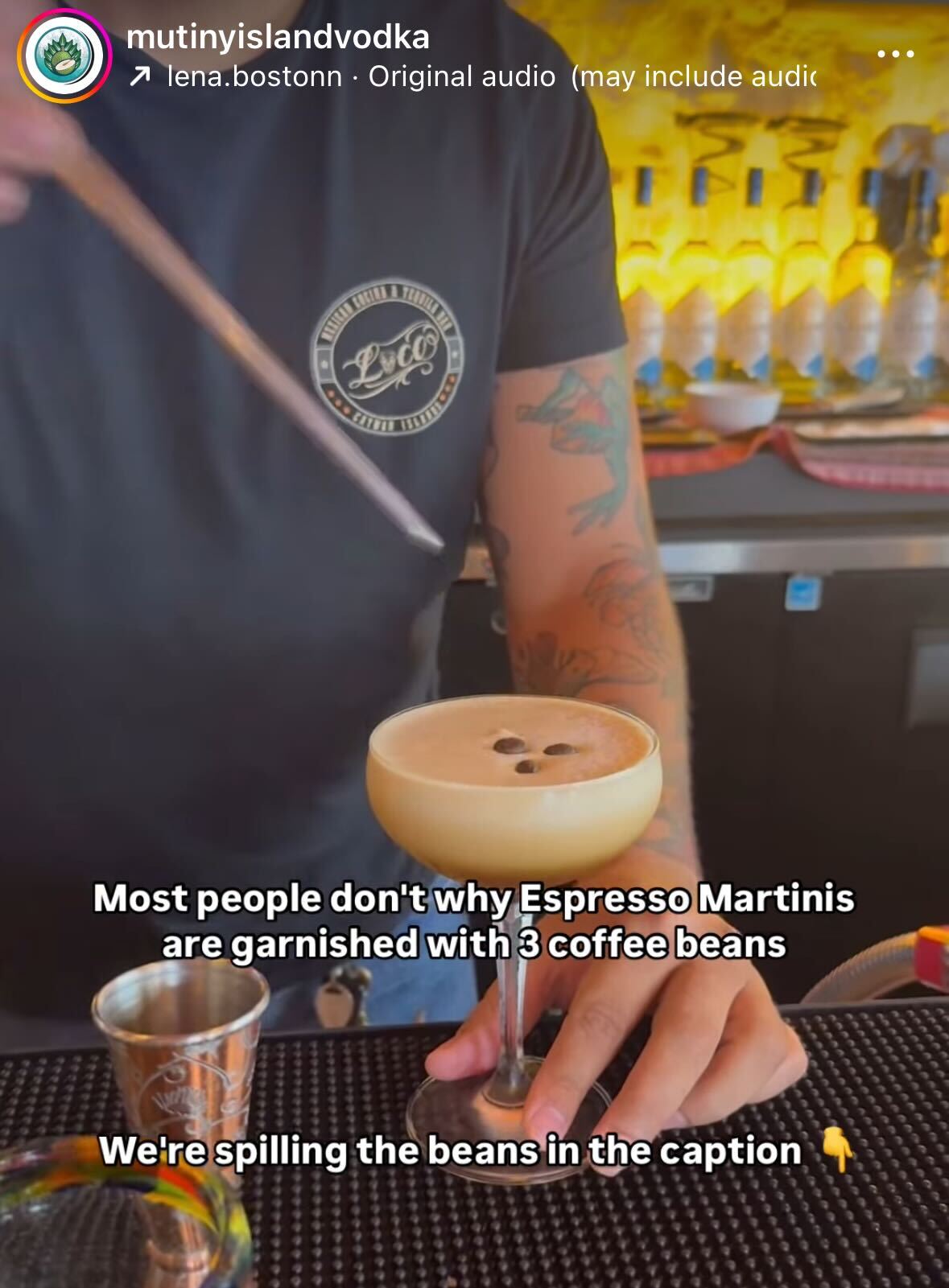
- Social Media (paid or organic) is a great avenue to foster a community, whether you’re updating your followers or attracting new leads. Mutiny Island Vodka posts a mix of engaging, general interest content and company updates on Instagram, allowing supporters and newcomers to be as engaged as they want to be. And who doesn’t love an espresso martini?
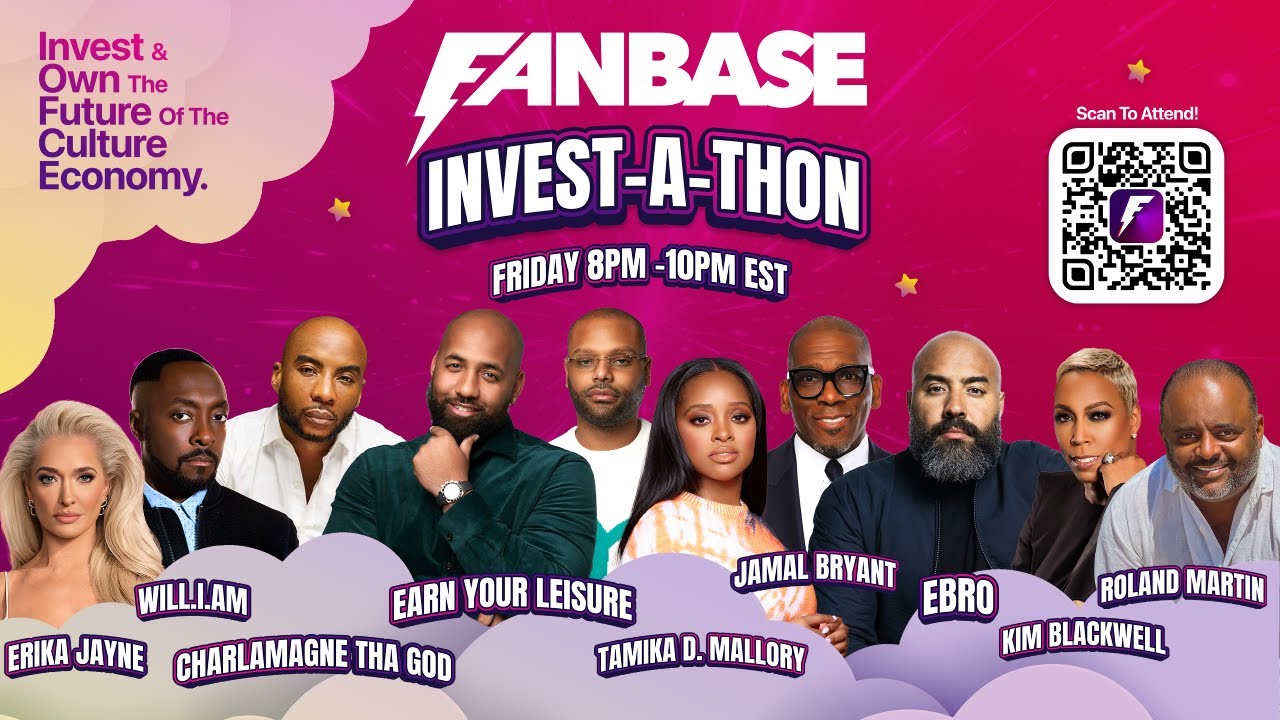
- Events and Webinars are an excellent way to open the door and invite in new and existing community members, whether virtually or literally. Fanbase hosted a live “Invest-A-Thon” for anyone curious about their next gen social media platform, if for no other reason than to hear from guest speakers like Charlamagne tha God and Will.I.Am.
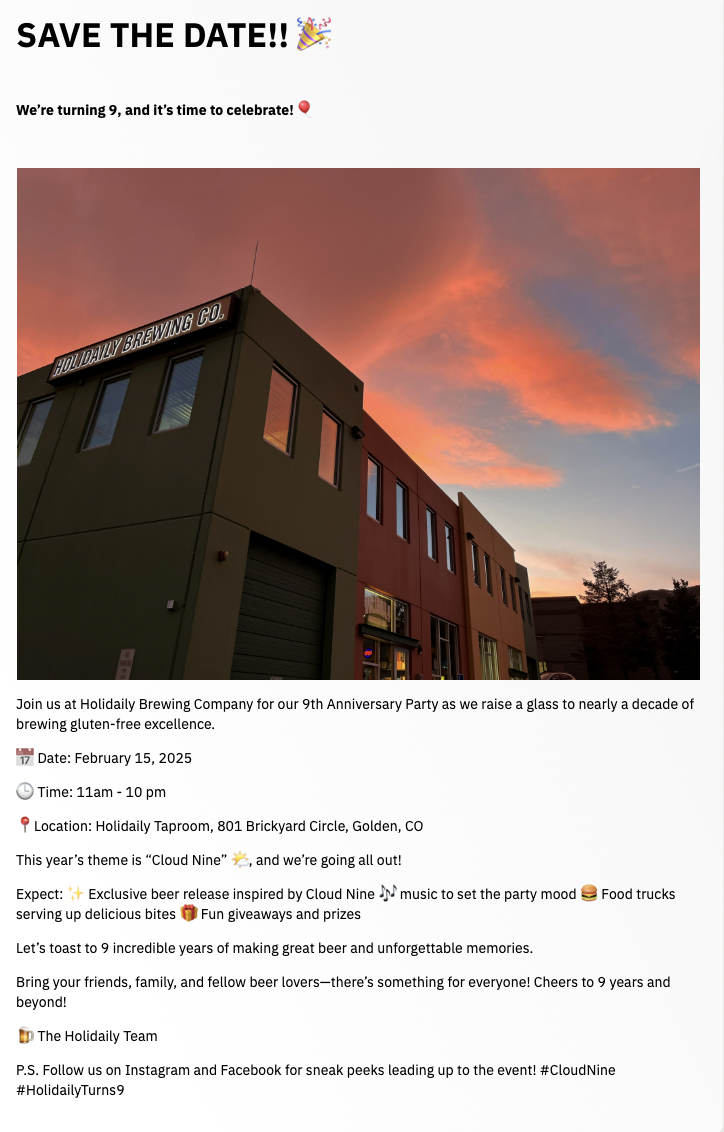
- Brick & Mortar Outreach is a natural way to capitalize on the daily traffic already coming through your door. Holidaily Brewing hosted a 9th anniversary party onsite for people to enjoy music, food trucks, and its gluten-free beers — and potentially learn more about the company’s crowdfunding campaign.
When participation feels natural (instead of a chore), people stick around — and hopefully, they decide to contribute more than just their time and attention.
The companies mentioned above are examples of issuers on StartEngine and are not indicative of future results. References do not constitute investment advice or an endorsement of any particular offering.
B2C vs. B2B: What Type of Community Fits Your Business?
Many of the avenues listed above are tailormade for B2C businesses, but B2B companies can all benefit from building their own communities.
Generally speaking, B2B companies offer less tangible or immediately relatable products compared to B2C companies, such as SaaS solutions or devices, hardware, vehicles, etc. with technical applications.
By creating an online community, B2B companies can create a link between customers and employees, putting a “face to the name” of your brand. That could be why 80% of customer success teams have grown since 2023.⁶
Certain companies using the StartEngine platform, such as Flower Turbines, have focused on several avenues to build their communities:
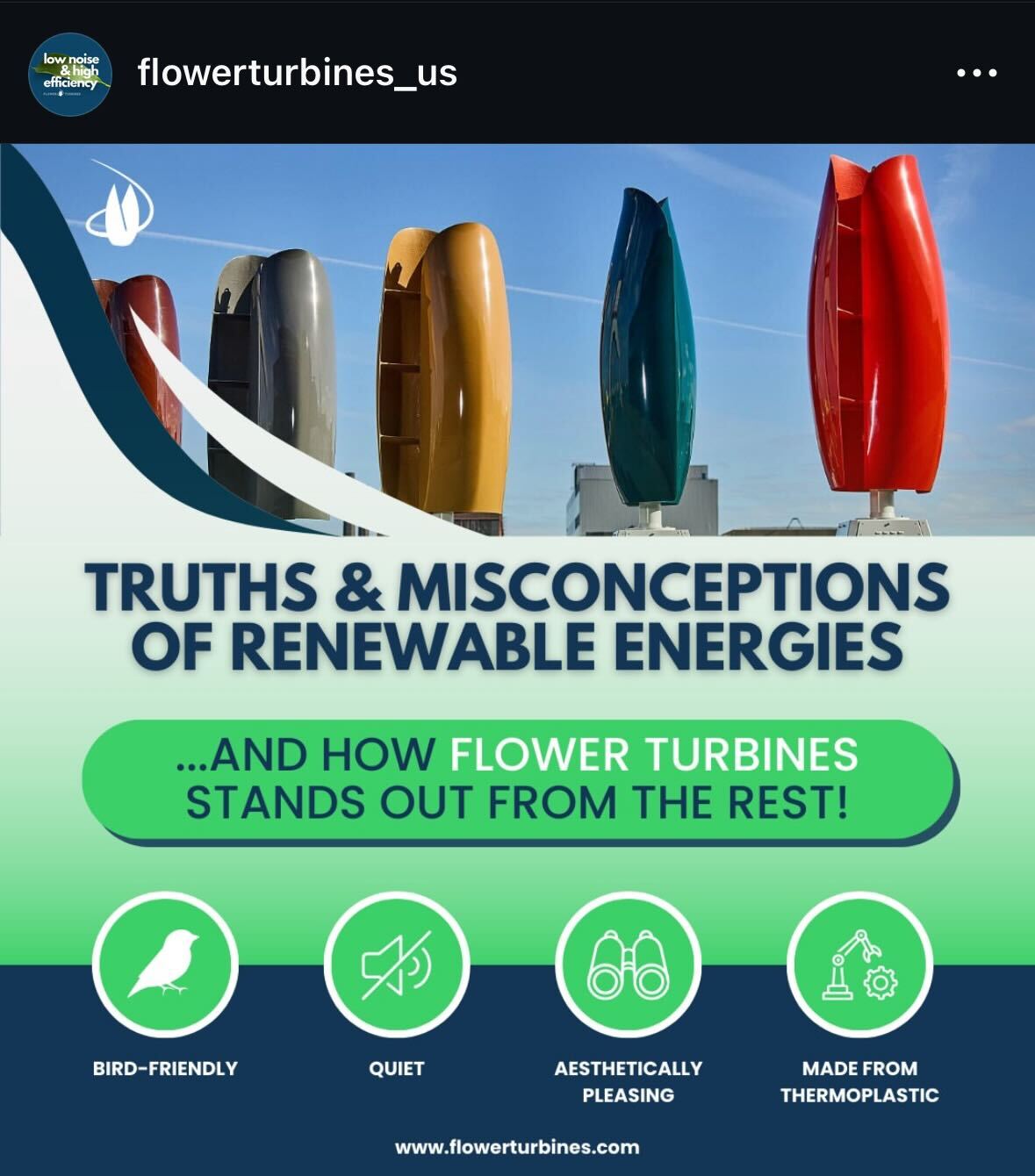
- Robust social media presence with eye-catching, educational posts about the company’s distinct wind turbines as well as general information about sustainable energy.
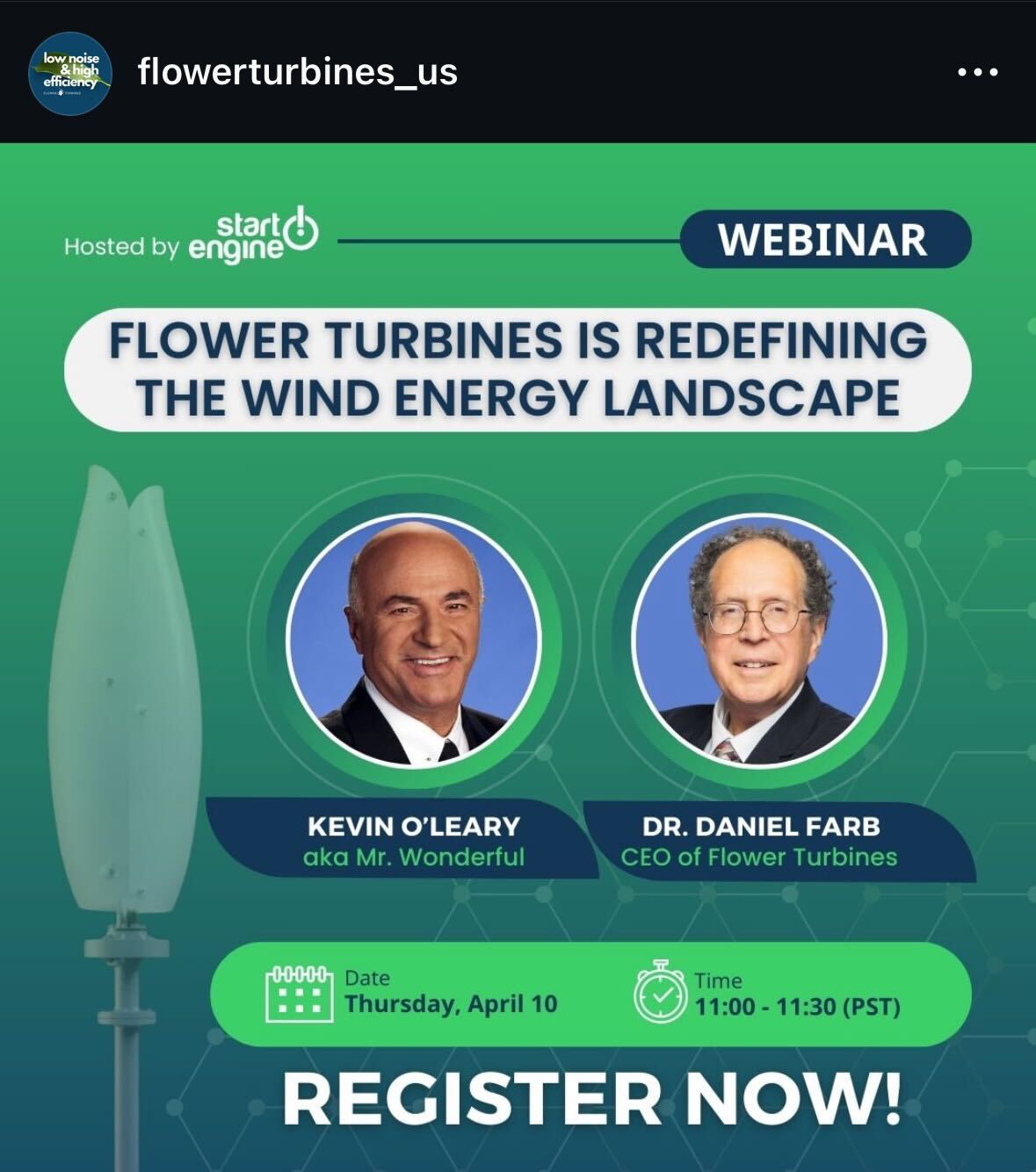
- Webinar with Kevin O’Leary to discuss how the company is aiming to redefine the wind energy landscape.⁷
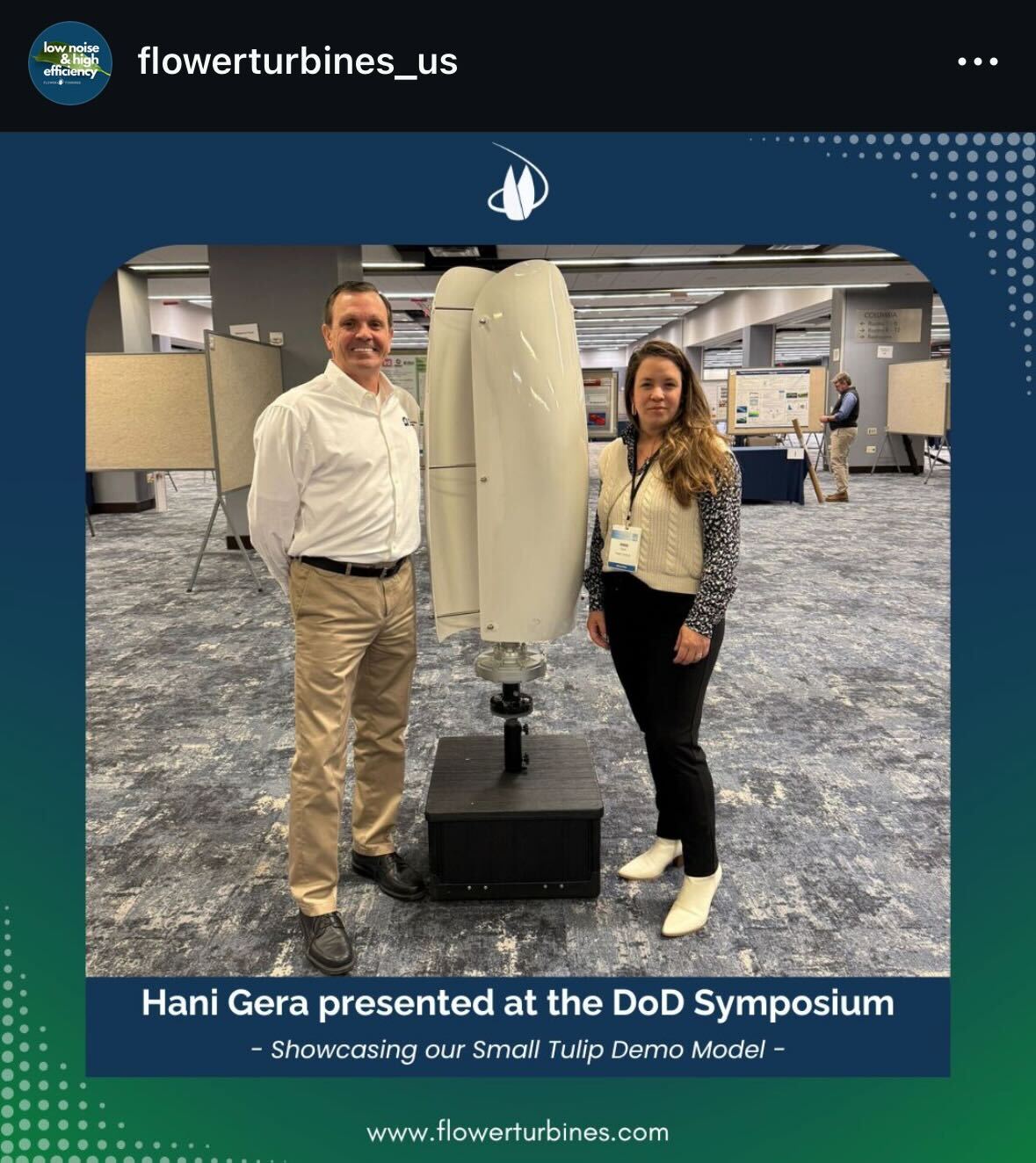
- Conferences and events to introduce both industry contacts and the general public to their company, turbines, and campaign.
Building in Public
Crowdfunding provides multiple touchpoints with one campaign, with the chance to promote your company, product(s), and fundraise.
It’s also a strong match for a "building in public” strategy — where you share the process, wins, failures, and everything in between in real time.⁸
Why? Transparency can help build trust, attract early adopters, and turn curious onlookers into loyal fans (and hopefully, investors, customers, or both). In fact, a McKinsey survey found that 87% of consumers value a trustworthy brand reputation as much as price, quality, or delivery speed.⁸
Here are some benefits to inviting people to follow your company’s story:
- Put a face to your company name
- Build hype for your product, company, and campaign
- Attract and engage with potential investors and customers
- Build your reputation, credibility, and consumer trust
- Crowdsource feedback and capital
StartEngine enables issuers to share company updates via Campaign Updates, providing followers and investors with general information. Additionally, all campaign updates will automatically trigger an email with the title of the post that’s sent to investors and followers.
Issuers should avoid disclosing material non-public information or making forward-looking statements without appropriate legal disclaimers and should consult with legal and regulatory counsel prior to publishing updates.
Campaign Updates must comply with SEC and FINRA rules, and issuers should avoid disclosing material non-public information or making forward-looking statements without proper disclaimers.
Conclusion
At the end of the day, people don’t just invest in companies — they invest in stories, in founders, in futures they want to see come to life. Building a community around your brand gives potential investors a front-row seat to your journey and the chance to be part of it.
Interested in learning more about launching a campaign? Visit StartEngine’s website for general informational resources.
This content is provided for informational purposes only and does not constitute an offer or recommendation to buy, sell, or hold any security.
NOTE: The information provided in this blog is for general informational purposes only and does not constitute a recommendation by StartEngine or any of its affiliates to buy, sell, or hold any security. StartEngine is a registered broker-dealer and does not provide investment advice or recommendations. Investors should perform their own due diligence before making investment decisions.
DISCLAIMERS & FOOTNOTES
Investing in securities offered through our platform involves significant risks, including the potential loss of your entire investment. These investments are highly speculative, illiquid, and may not be suitable for all investors. There is no guarantee that any investment will achieve its objectives, generate returns, or appreciate in value.
References to historical data, past performance, or prominent companies are provided for informational purposes only and should not be construed as indicative of future results. The success of prior offerings or the performance of similar companies is not a predictor of success for any investment opportunity available on this platform. Investors are strongly encouraged to conduct their own due diligence and consult with their legal, tax, and financial advisors before making any investment decisions.
1. In May 2023, StartEngine acquired assets of competitor platform SeedInvest, including email lists for SeedInvest’s users, investors and founders. Total invested and funding rounds achieve when combined with this acquisition. See additional information here.
2. Source: Leonardo Pires, “Basecamp Revenue and Growth Statistics (2024),” SignHouse, August 1, 2024
3. Bhavesh Koladiya, “Why Building A Community Before Launching Is Vital (4 Ways To Do It Right),” StartupGrind, Accessed March 19, 2025
4. Source: Nick, “Practical Steps for Launching and Growing Your Online Startup Community,” StartupResources, September 6, 2024
5. Source: Mark Birch, “Building Communities for Startups,” LinkedIn, July 11, 2024
6. Source: Jenny Taylor, “Why Every B2B Company Needs to Build a Branded Customer Community,” Higher Logic, February 28, 2024
7. Kevin O’Leary is a paid spokesperson for StartEngine. See his 17(b) disclosure, here.
8. Source: Maria Arinkina, “How to Build a Startup in Public: An Actionable Guide,” Upsilon, Updated March 17, 2025